
Lesson 9 — 2000: Five Hundred Thirty-Seven
Chads, Courts, and a Concession
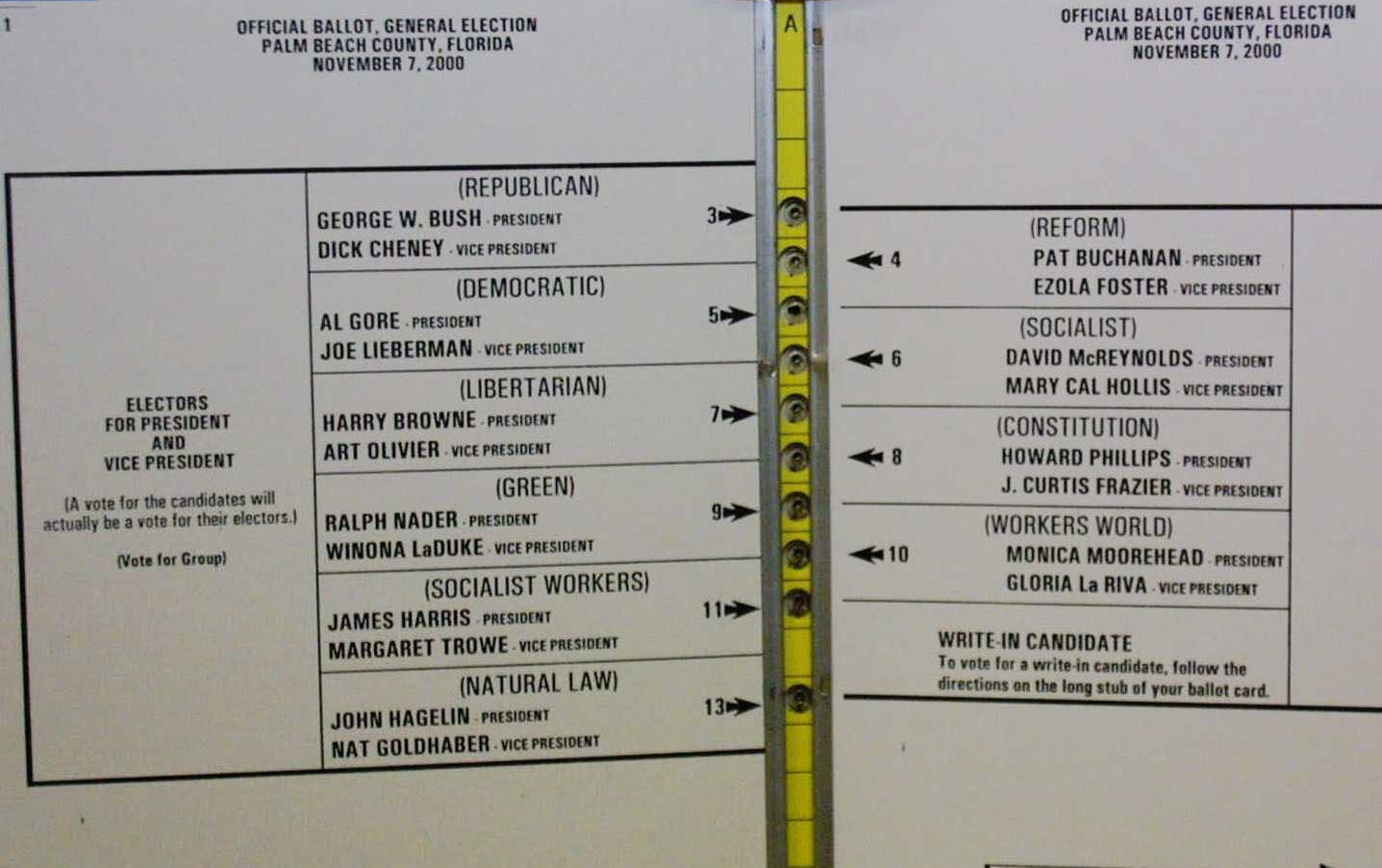
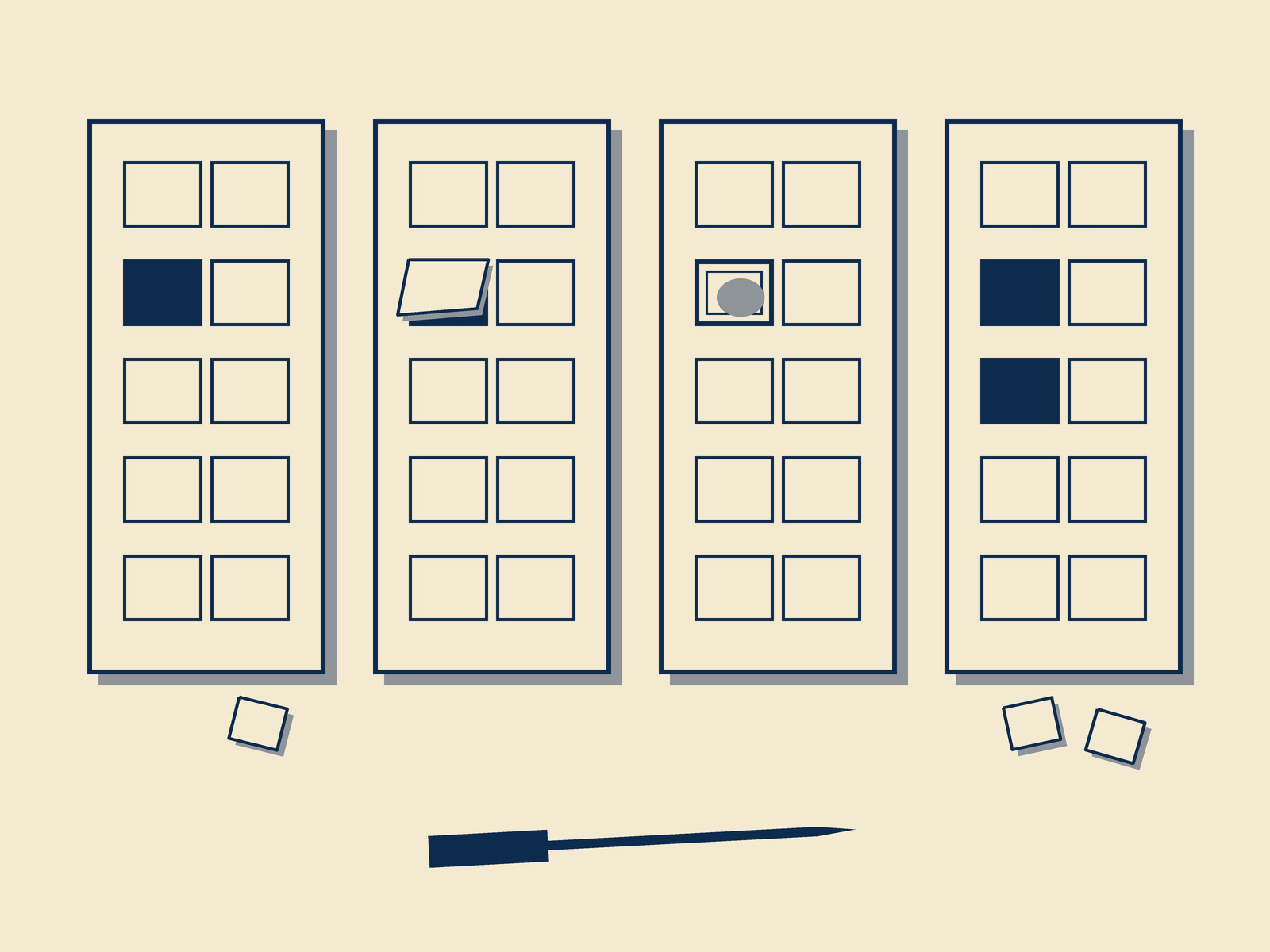
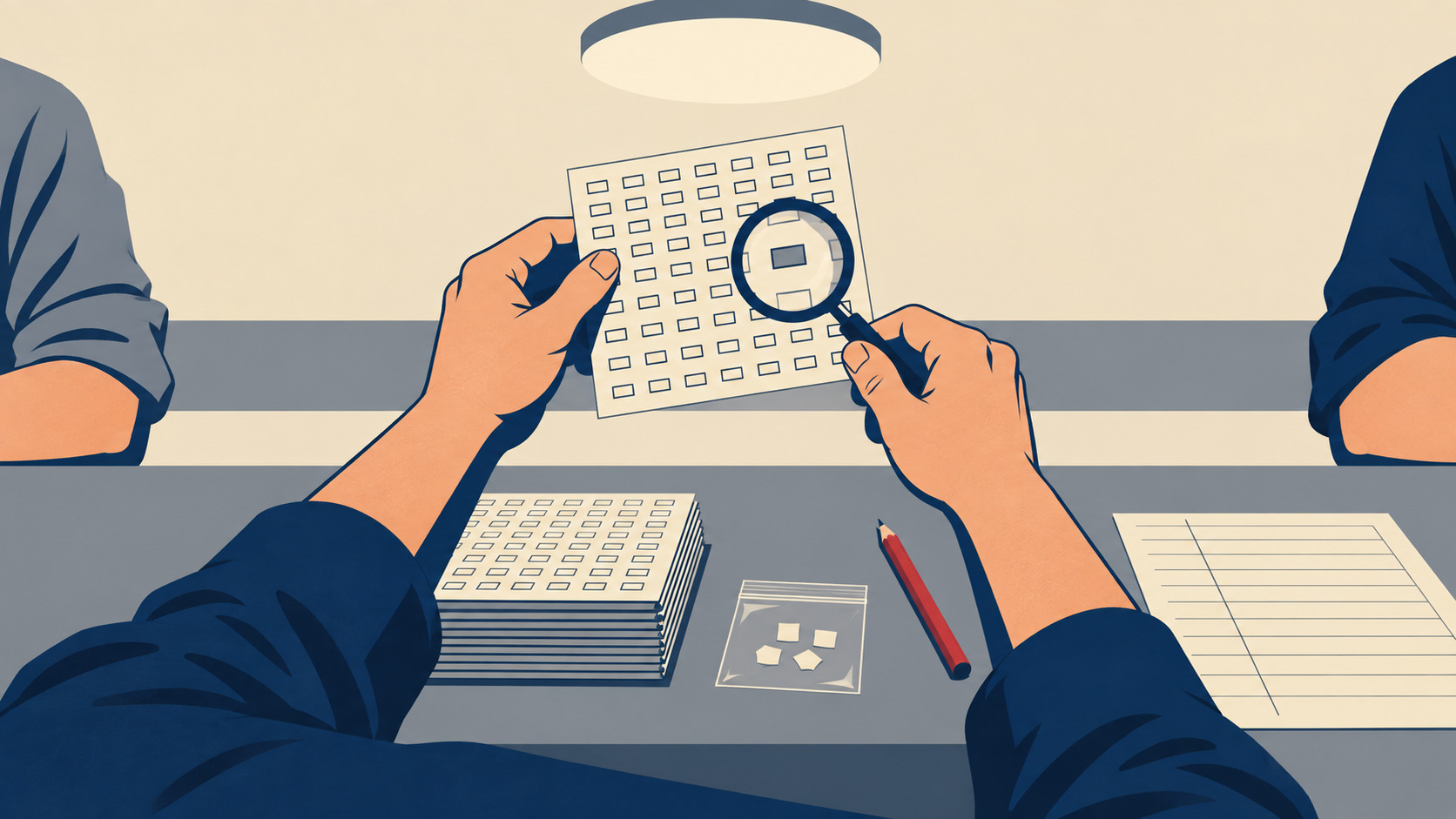
Picture a vote-counting room in Fort Lauderdale, Florida, on November 24, 2000. A judge on the Broward County canvassing board lifts a punch-card ballot toward the light. He holds a magnifying glass over one tiny square. The voter was supposed to punch that square clean through. Instead, it is only dented, a small dimple in the card. Is that a vote? Across the whole state, the count is that . When every count is over, one candidate will lead the other by 537 votes out of 5,963,110 cast. When a count is that close, how should a ballot be read? And who decides when the counting stops? Here is what was at stake. Florida held 25 electoral votes, and whoever won them would win the presidency. At MockElection.com we want to make you a scholar of the republic. Let's see how a free people chose.
A Nation Split, a State Split
The election of 2000 was held on November 7. It matched Republican George W. Bush, the governor of Texas, against Democrat Al Gore, the vice president of the United States. Bush's running mate was Richard Cheney. Gore's was Joseph Lieberman.
Two smaller parties also mattered in Florida. The Green Party had formed in the late twentieth century. It stood for protecting the environment, social justice, and non-violence. It also stood for democratic reform from the grassroots up. Its candidate was Ralph Nader, with Winona LaDuke as his running mate. The Reform Party ran Patrick Buchanan, with Ezola Foster. Buchanan's banner was "America First." He promised to protect American jobs through trade and to bring troops home from abroad. He also promised to tighten immigration, oppose abortion, and change how campaigns were paid for.
Across the whole country, Gore won more votes than Bush. But that is not how a president is chosen.
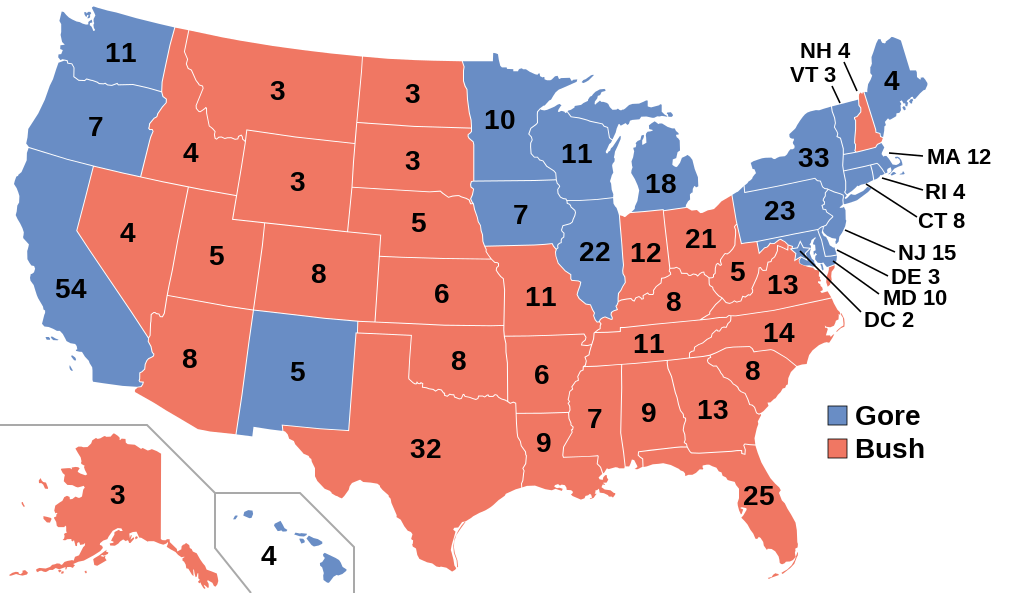
Do the arithmetic. With Florida, Bush had 271 electoral votes, one more than the 270 he needed. Take away Florida's 25, and he has 246. Whoever won Florida would win.
In November 2000, would you rather have been a voter in Florida or in a state settled on election night?
1,784
At about 2:30 in the morning after Election Day, Gore telephoned Bush to concede. Then the Florida numbers kept tightening. About an hour later, Gore called Bush back and took the concession back.
On November 8, Florida's Division of Elections reported the count. Bush had 2,909,135 votes. Gore had 2,907,351. Bush led by 1,784 votes out of almost six million. Florida law said that when the margin was less than one-half of one percent of the votes cast, every ballot must run through the counting machines again. That is an automatic recount: a recount the law requires when a race is very close, so no candidate has to ask for it. After the machine recount, Bush's lead had shrunk to under 600 votes.
On November 9, Gore asked for a manual recount in four counties: Volusia, Palm Beach, Broward, and Miami-Dade. A manual recount is a count done by people looking at the ballots by hand. Florida law let a candidate ask for one.
Then came a fight over deadlines. The state had set November 14 for counties to report their totals. The Florida Supreme Court moved the deadline to November 26. Broward finished its hand count. Palm Beach finished a few hours past the deadline, so its new totals were . Miami-Dade stopped its recount before it was done. On November 26, Florida's Elections Canvassing Commission certified the result: Bush by 537.
Bush v. Gore
Gore did not stop there. On November 27, he contested the certified result in a Florida court. The trial judge ruled against him. On December 8, the Florida Supreme Court, by a vote of 4 to 3, ruled for him. It ordered hand counts of the undervotes in every county that had not already counted them by hand, including about 9,000 ballots in Miami-Dade. It also added 215 Palm Beach votes and 168 Miami-Dade votes to Gore's total.
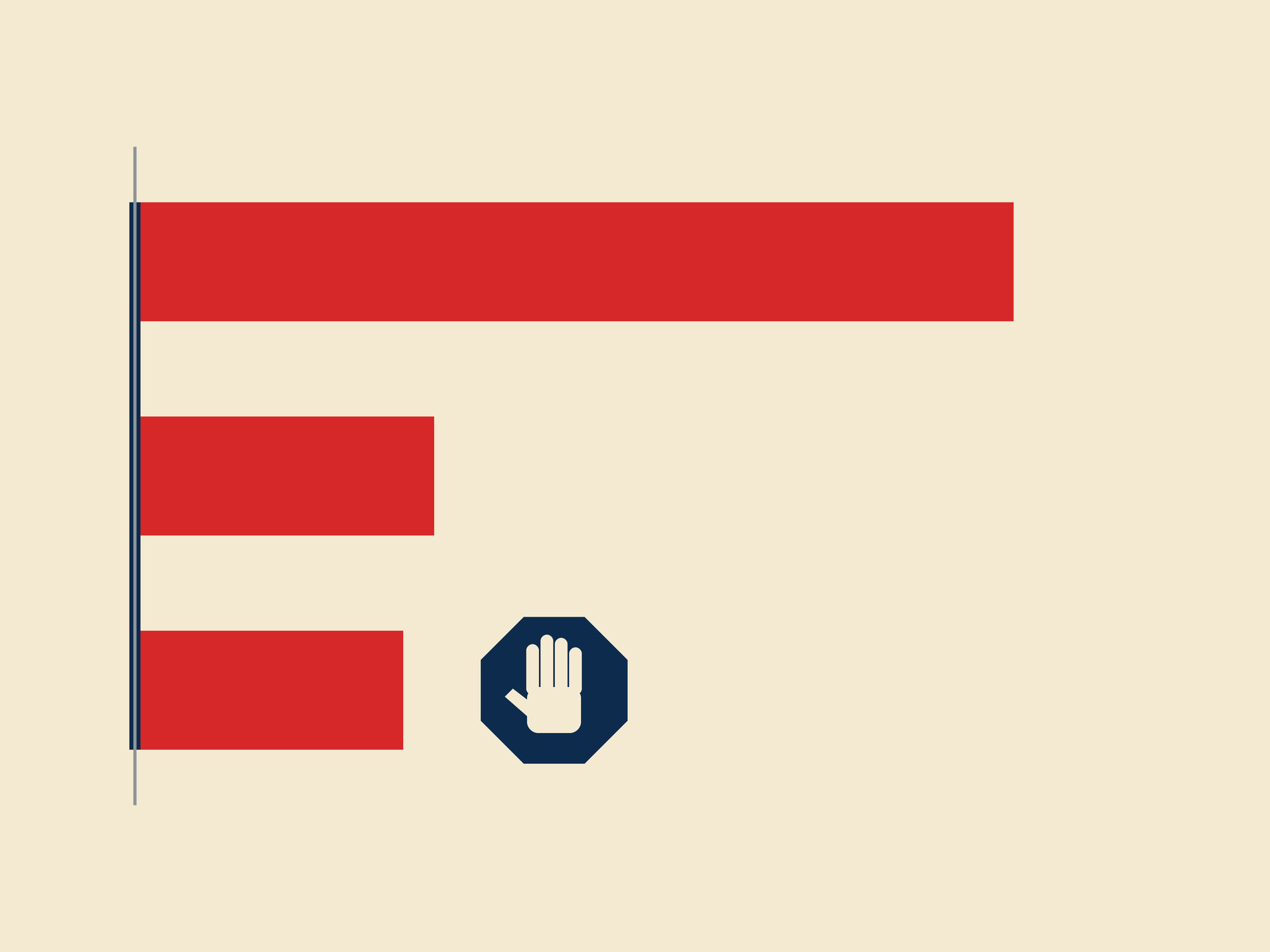
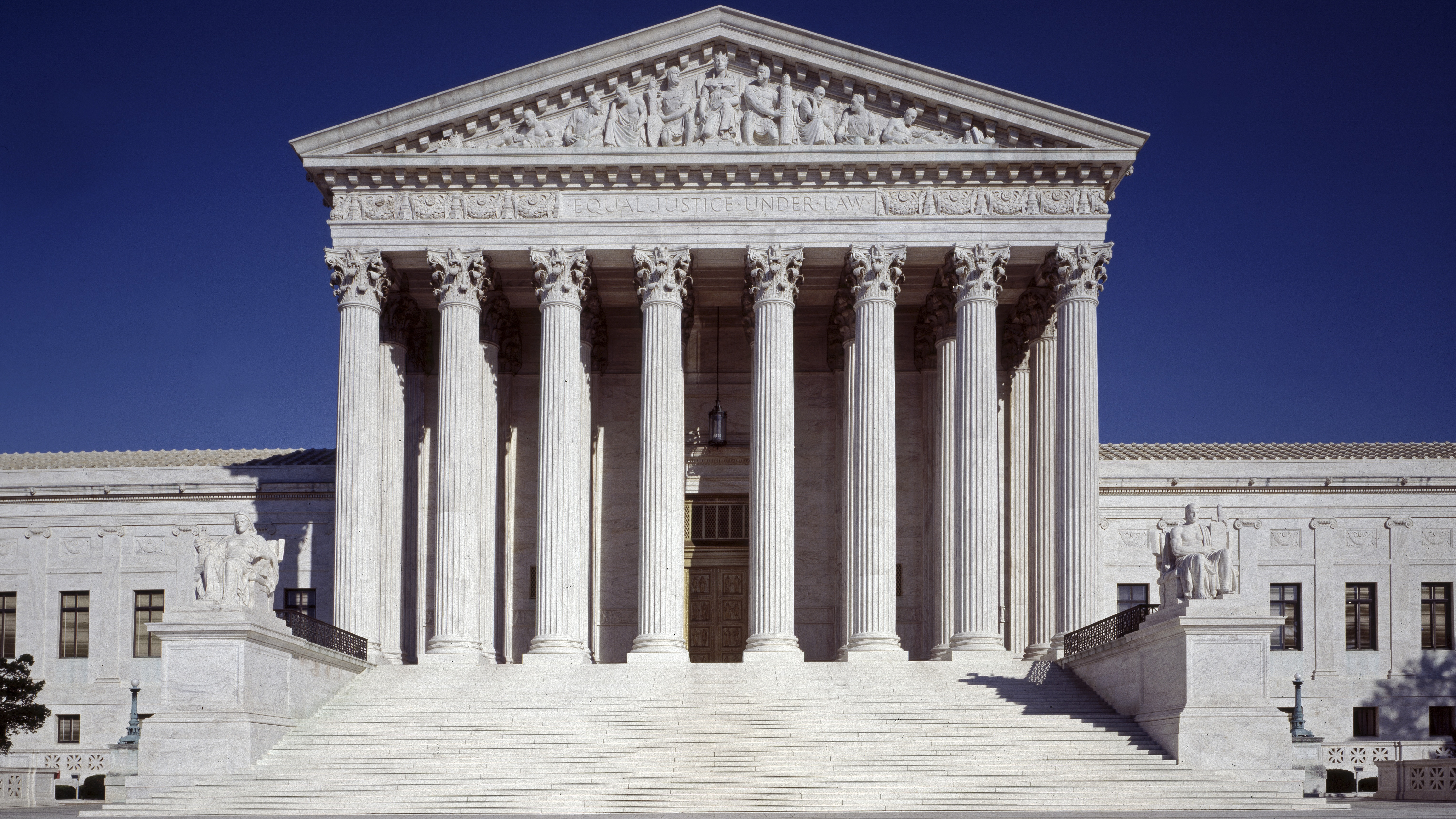
Bush asked the United States Supreme Court to stop the new count. On December 9, the Court halted it, and on December 11 it heard the case: Bush v. Gore.
What had the counters been doing? In Broward, teams of counters looked at every ballot and sent the hard ones to the canvassing board. In Palm Beach, the board began with a rule from 1990. Then it switched to counting a vote if any light could be seen through a chad. Then it switched back, and then it dropped any fixed rule. The standard while the counting went on. Broward used a looser rule than Palm Beach and found almost three times as many new votes.
The Court decided the case on December 12, 2000. On one question, seven of the nine justices agreed. The Equal Protection Clause of the Fourteenth Amendment says every person must be treated equally under the law. Counting ballots by hand with no single standard across the state broke that rule. A dented chad might count in one county and not in the next. On the next question, what to do about it, the Court , 5 to 4. The five said no recount that met the Constitution could be finished in time. Federal law set a safe harbor deadline, a date by which a state that settled its contests under its own laws would have its electors accepted as final. In 2000 that date was December 12, six days before the electors would meet on December 18.
The Magnanimity of a Concession
The virtue in this lesson is magnanimity. The word means "greatness of soul." A great-souled person aims at great things. When fortune turns against him, he does not let it shrink him.
On the evening of December 13, 2000, Gore spoke to the nation from his office next to the White House. He had won the national popular vote by 543,895. He had lost Florida by 537. He had pressed his case through the recounts and the courts. Now the last court had ruled, and he the result. He told the nation he had just called Bush to congratulate him, and he joked that he had promised not to call back this time. Then Gore reached back to the election of 1860. Stephen Douglas, who had lost to Abraham Lincoln, told Lincoln that party feeling must give way to love of country. Gore offered Bush that same spirit.
About an hour later, Bush spoke from the chamber of the Texas House of Representatives in Austin. He chose a room where, he said, both parties had worked together. The Democratic Speaker of the Texas House introduced him. Bush reminded the country of the election of 1800, when the House of Representatives chose Thomas Jefferson after 36 ballots. That election, he said, brought the first transfer of power from one party to another.
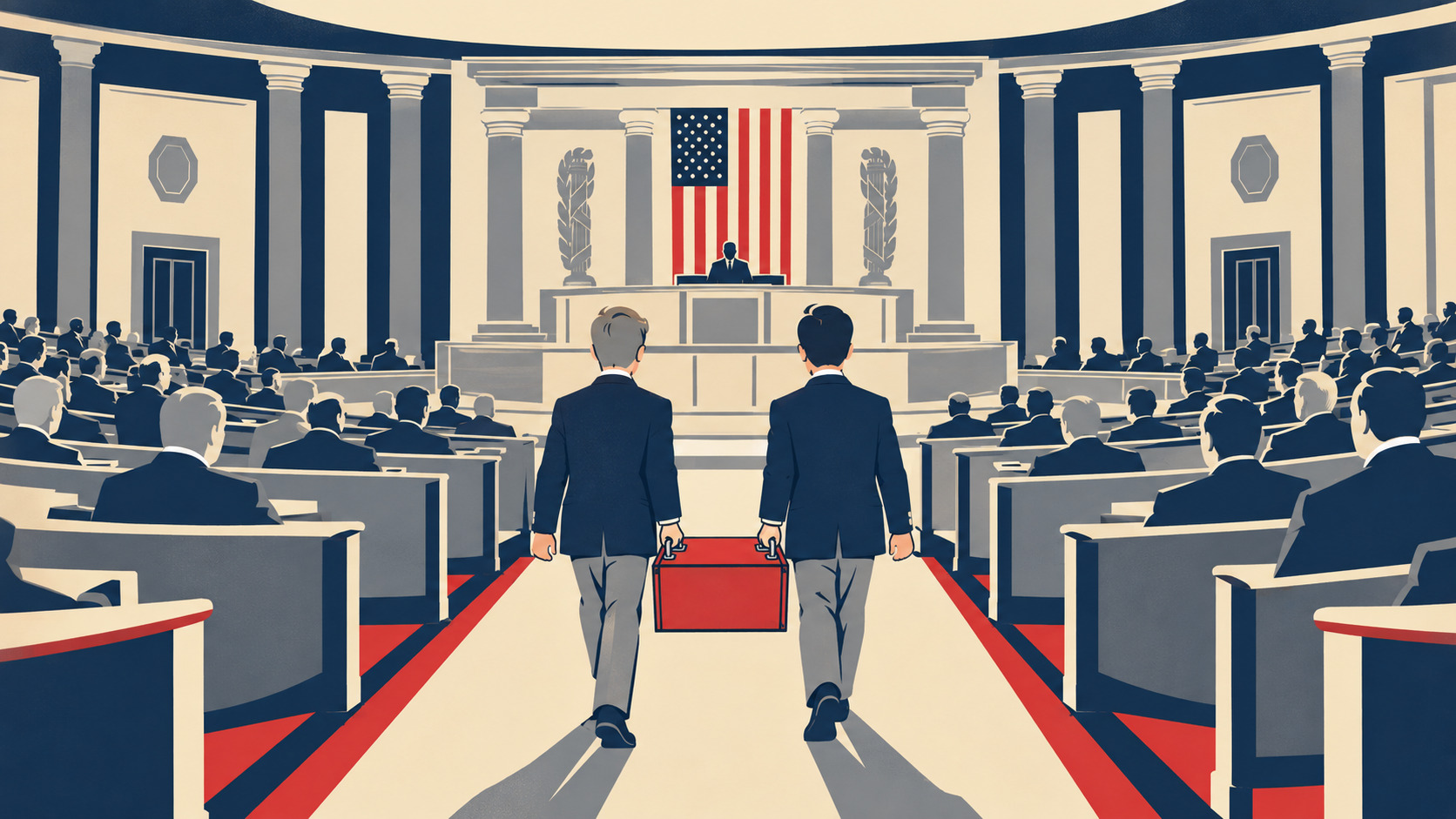
On December 18, the electors met in their states. On January 6, 2001, Congress met to count their votes. The man presiding over that count was the vice president: Al Gore. Several House members rose to object to Florida's 25 electoral votes.
Aristotle figured this out a long time ago. In his Ethics, he described the great-souled person as one who bears good fortune and bad fortune with balance. Such a person is not puffed up by winning or crushed by losing.
Notice what both campaigns did. Each one used the lawful tools the republic gives: recounts, courts, appeals. Neither side is faulted here for pressing its case. The test of magnanimity came at the end, when the last lawful answer was in.
Conclusion
Go back to that judge in Fort Lauderdale, the magnifying glass over one dented chad. Out of 5,963,110 ballots, 537 votes decided Florida. Florida decided the presidency.
How the map changed. Bush won the Electoral College, 271 to 266, with one District of Columbia elector casting a blank ballot. Gore won the national popular vote by 543,895. That made 2000 the fourth time in American history, after 1824, 1876, and 1888, that the winner of the national popular vote did not become president. In Florida, Bush won 2,912,790 votes to Gore's 2,912,253, with Nader at 97,488 and Buchanan at 17,484. Congress counted the electors on January 6, 2001, and Bush took the oath of office on January 20, 2001.
How the republic's character moved. In 2000, a presidential contest was settled by a state's recount law, then by the courts, then by a concession, and then by a count in Congress run under rules both parties had to follow. The Americans argued hard, and they argued through lawful means. It was one election in the whole true history of the American vote. In the next lesson, the election of 2016, the popular vote and the Electoral College part ways again, and seven electors break their pledges.
To live well is to be great-souled — to press your cause with every lawful tool you have, and then to lose with grace when the last lawful answer is in.
Because elections are won and lost.
Parties rise and fall.
But the republic rests on its citizens.
Lesson Summary
Key Terms
- Automatic recount
- a recount the law requires when a race is very close.
- Manual recount
- a count done by people looking at the ballots by hand.
- Chad
- the small square of paper punched out of a punch-card ballot.
- Undervote
- a ballot on which the machine records no vote for an office.
- Overvote
- a ballot on which the machine records more than one vote for an office, so it cannot be counted.
- Secret ballot
- a vote cast so that no one can see how the voter marked it.
- Equal Protection Clause
- the part of the Fourteenth Amendment that says every person must be treated equally under the law.
- Safe harbor deadline
- a date in federal law by which a state that settles its election contests under its own laws has its electors accepted as final.
- Concede
- to publicly accept that you lost.
- Magnanimity
- greatness of soul; bearing good and bad fortune with balance.
Cause-and-Effect Chart
| Key Fact | The Cause | The Effect |
|---|---|---|
| Florida held a machine recount | The first count put Bush ahead by 1,784, less than one-half of one percent | Bush's lead fell under 600 |
| Hand counts became a legal fight | Undervotes and overvotes left marks the machines could not read, and counties used different rules | The dispute moved from the counting rooms into the courts |
| The Supreme Court stopped the recount | Seven justices found no single standard; five held no lawful recount could finish by the safe harbor deadline | Florida's certified count, Bush by 537, stood |
| Bush won the presidency 271 to 266 | Gore conceded on December 13, and Florida's 25 electoral votes went to Bush | The popular vote winner did not become president for the fourth time |
Timeline
| Person / Event | Date (AD) | Description |
|---|---|---|
| Election Day and the first count | November 7–8, 2000 | Bush leads Florida by 1,784 votes, triggering an automatic machine recount. |
| Florida certifies its count | November 26, 2000 | The Elections Canvassing Commission certifies Bush the winner by 537. |
| Florida Supreme Court orders hand counts | December 8, 2000 | By 4 to 3, the court orders undervotes counted by hand in counties that had not counted them. |
| Bush v. Gore | December 12, 2000 | The United States Supreme Court rules 5 to 4 and halts the recount on the safe harbor deadline. |
| Gore concedes; Bush speaks | December 13, 2000 | Gore accepts the Court's decision; Bush speaks from the Texas House chamber in Austin. |
| The electors vote | December 18, 2000 | Bush receives 271 electoral votes, Gore 266; one District of Columbia elector casts a blank ballot. |
| Congress counts the votes | January 6, 2001 | Gore presides and announces Bush's election. |
| Inauguration | January 20, 2001 | Bush takes the oath of office as the 43rd president. |
COMMAND QUESTIONS
Factual Recall
The "Why" Questions
Write a short paragraph answering each question in your own words, in your notebook. Then check its box: +4 each.
Explain in two or three sentences why Florida alone decided the election of 2000.
Explain the Court's equal protection reasoning. Why would counting ballots by different standards in different counties treat voters unequally? Use the Palm Beach example.
Cast Your Ballot
you are a Florida voter on November 7, 2000 — one vote for one ticket; the ticket with the most Florida votes takes all 25 of Florida's electors
Loading…
The ballot: 2000 — President (Florida)
George W. Bush and Richard Cheney — Republican — "prosperity with a purpose": limited government, bold reform of the schools, and a rebuilt military
Al Gore and Joseph Lieberman — Democratic — "prosperity, progress, and peace": prosperity broadly shared, fiscal discipline, Social Security and Medicare secured, and steady engagement in the world
Ralph Nader and Winona LaDuke — Green — protecting the environment, social justice, non-violence, and grassroots democratic reform
Patrick Buchanan and Ezola Foster — Reform — "America First": protect American jobs through trade, bring troops home, tighten immigration, oppose abortion, and reform campaign money
What a voter knew on November 7, 2000:
- The president is chosen by electors, state by state.
- Florida held 25 electoral votes, and its winner would take all of them.
- Besides the Republican and Democratic tickets, Florida's ballot carried smaller-party tickets, among them the Green and Reform tickets.
- Florida law required an automatic recount in a very close race.
What the voters decided: Bush won Florida by 537 votes and the Electoral College, 271 to 266; Gore won the national popular vote, 50,999,897 to 50,456,002.
Cast your own ballot on MockElection.com — vote as a Florida citizen of 2000, with only what a citizen of 2000 knew. Then compare your count to history.
Picture yourself on a Florida canvassing board in November 2000. A ballot shows a dented chad and no hole. Which rule would you want every county to follow?
Two games wait below
Whistle-Stop
The lesson’s words, against the clock. Twelve in a row earns the Blue Ribbon.
The Canvass
Match each cause to its effect, then each event to its year. Both boards with one miss or fewer earns the Clean Count.
0 of 100 points
Kept in this browser for this visit. Sign in to keep it on any device.