Maps
Every map from the lessons, in order.
- Lesson 1: Every Vote for One Man
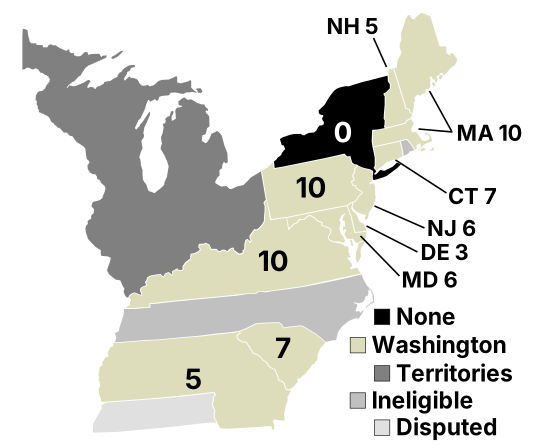
The first electoral map. Each state's number is its electors; add every number on this map and you reach 69 — and every one of those 69 gave a vote to Washington.Map: Wikimedia Commons, public domain - Lesson 2: Seventy-Three to Seventy-Three
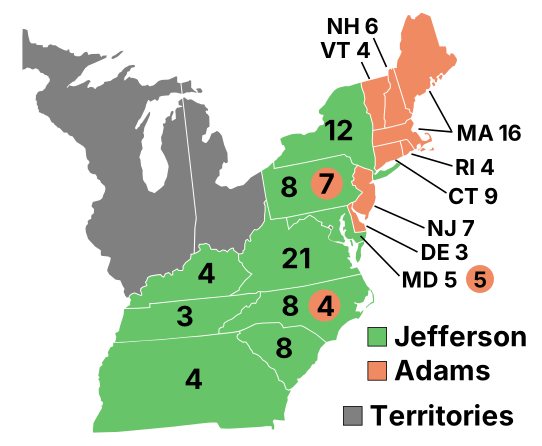
The electoral map of 1800. Each state's number is its electors, and each elector cast two votes; add every number and you reach 138 electors — and in many of these states, the legislature chose them.Map: Wikimedia Commons, public domain - Lesson 3: Four Men, No Majority
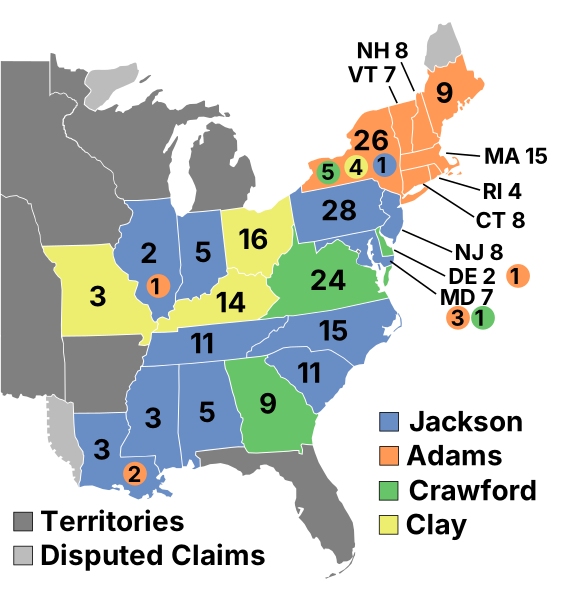
The electoral map of 1824. Add each candidate's numbers: 99, 84, 41 and 37 — and none reaches 131. Then find New York, where the legislature, not the voters, chose 36 electors and split them four ways.Map: Wikimedia Commons, public domain - Lesson 4: Four Tickets and a Breaking Union
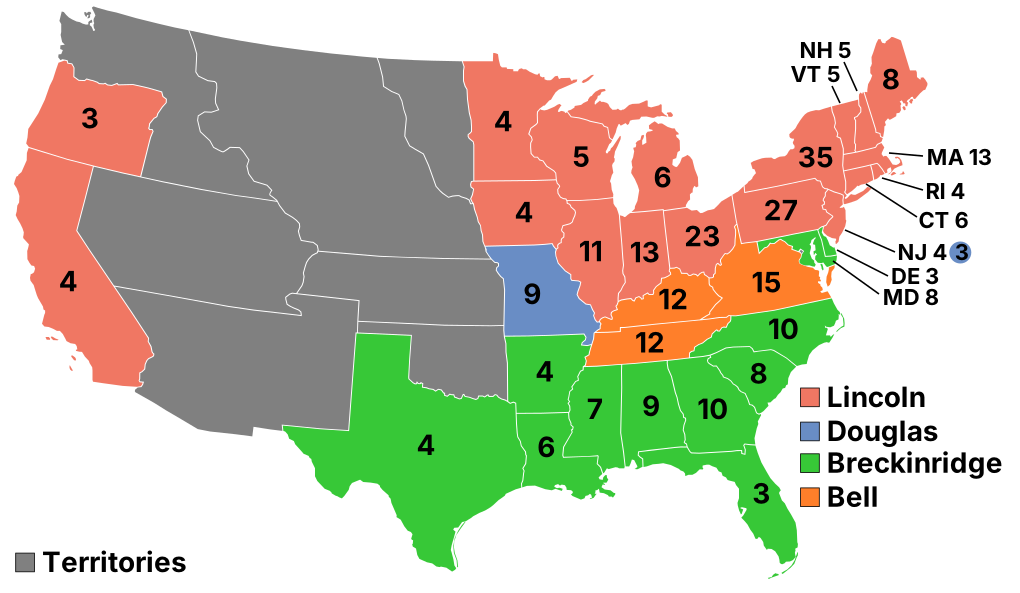
Each color is one ticket and each number is that state's electoral votes — trace how one color covers the North, then find Missouri and New Jersey, the only places Douglas won electors.Map: Wikimedia Commons, public domain - Lesson 5: Twenty Votes in Doubt
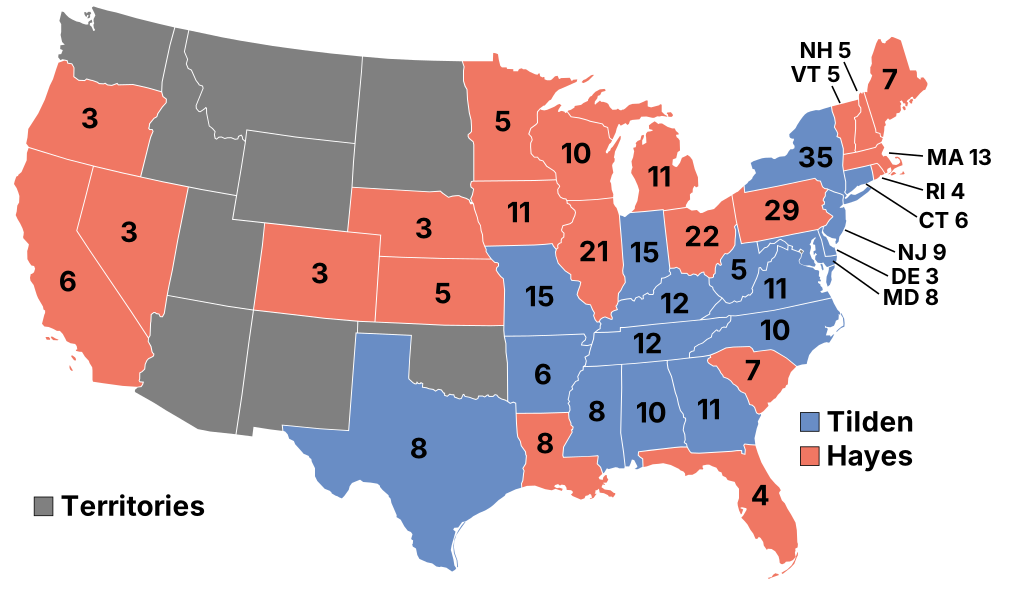
Find the four states in dispute (Florida, Louisiana, South Carolina and Oregon), add their votes, 4 + 8 + 7 + 1, and you have the 20 Hayes needed, every one.Map: Wikimedia Commons, public domain - Lesson 6: More Votes, Fewer Electors
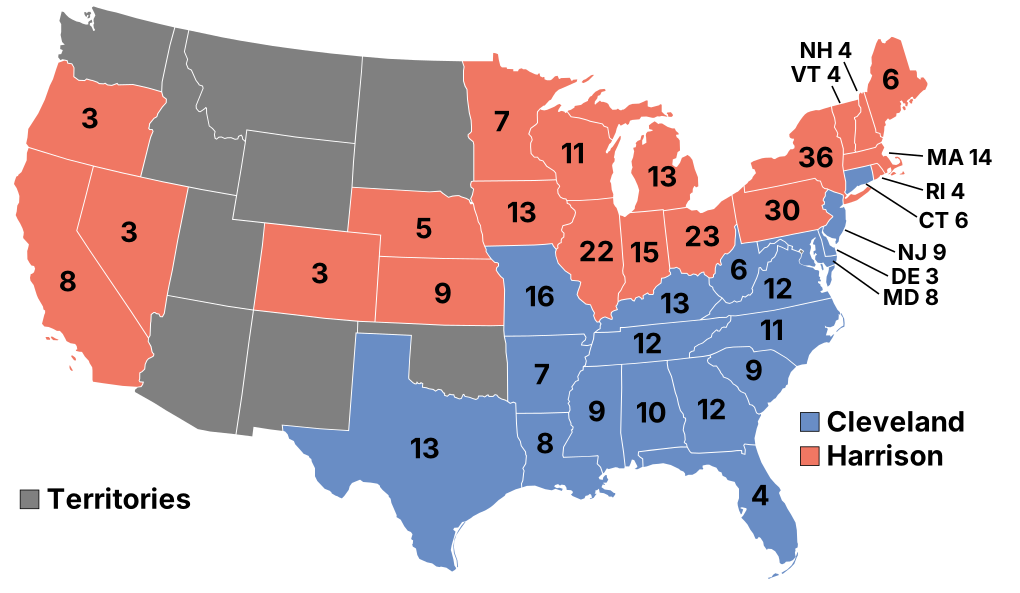
Each state's number is its electors; add up Harrison's states and you reach 233 — then find New York and Indiana, the two narrow wins that carried him past 201.Map: Wikimedia Commons, public domain - Lesson 7: The Poll That Got It Wrong
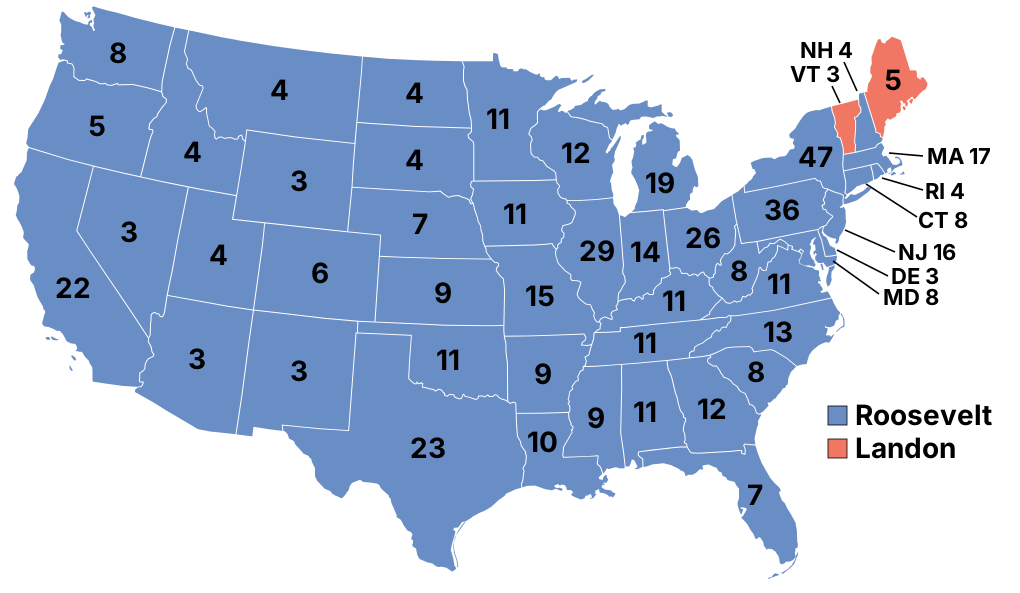
The electoral map of 1936. Find the only two states in Landon's color, Maine and Vermont, and add their numbers: 5 and 3 make his 8 — every other state's number belongs to Roosevelt's 523.Map: Wikimedia Commons, public domain - Lesson 8: Forty-Nine States and One
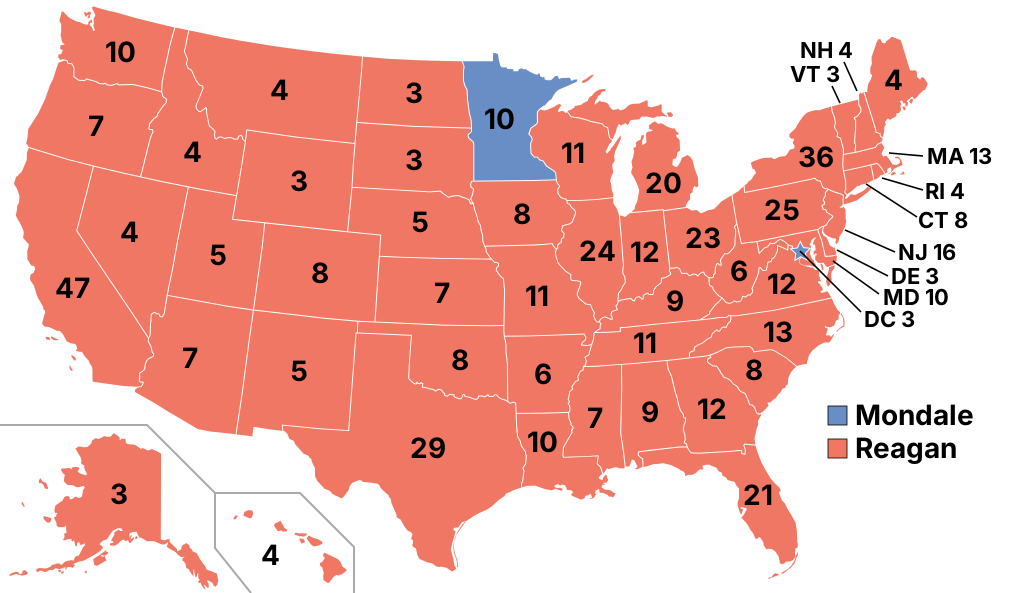
Red states went to Reagan and Bush, blue to Mondale and Ferraro, and each number is that state's electors. Find the one blue state and the blue District of Columbia, then add their two numbers, 10 and 3 — that is every elector Mondale won.Map: Wikimedia Commons, public domain - Lesson 9: Five Hundred Thirty-Seven
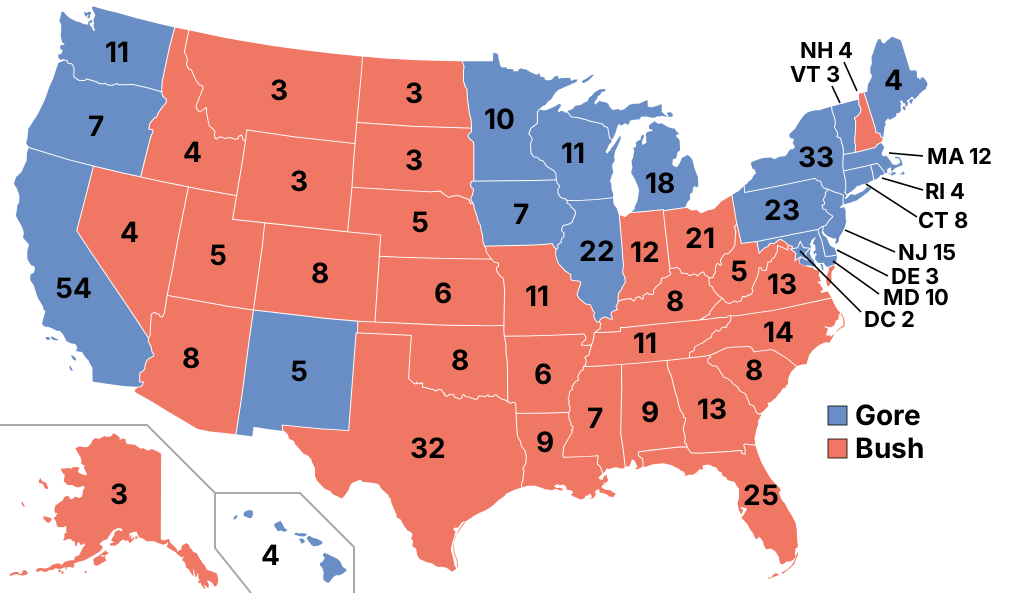
Each number is a state's electors. Find Florida's 25 in the far southeast corner, then move them from Bush's column to Gore's: Bush falls to 246, Gore rises to 291, and the winner flips.Map: Wikimedia Commons, public domain - Lesson 10: Seven Electors Break Ranks
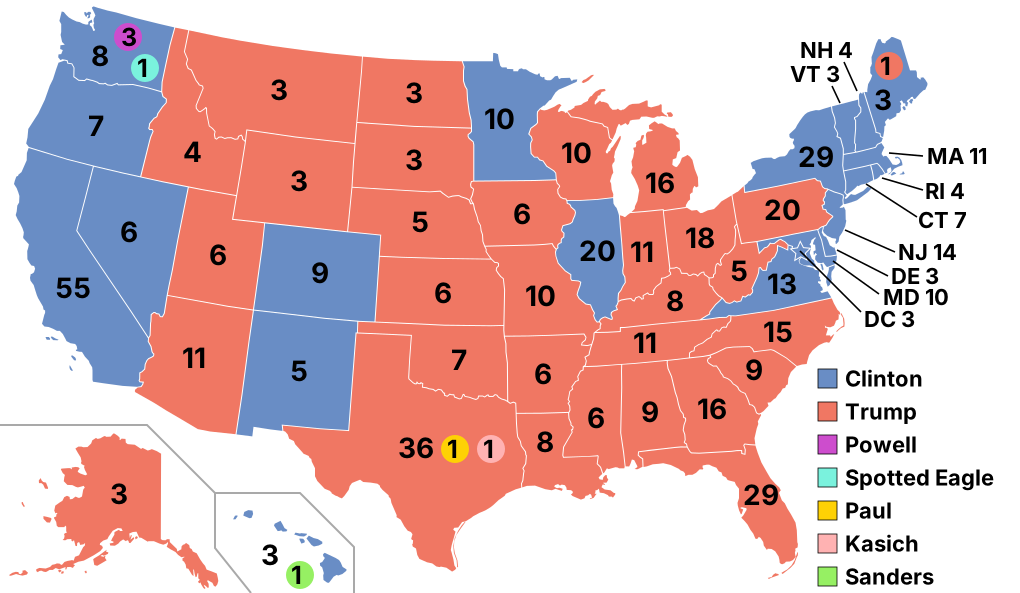
Each state's color shows the ticket that won its electors and each number shows how many it held, so add Michigan's 16, Pennsylvania's 20 and Wisconsin's 10, then find the one Maine elector that went the other way.Map: Gage, via Wikimedia Commons, CC BY-SA 4.0 - Lesson 11: The Name in the Bowl
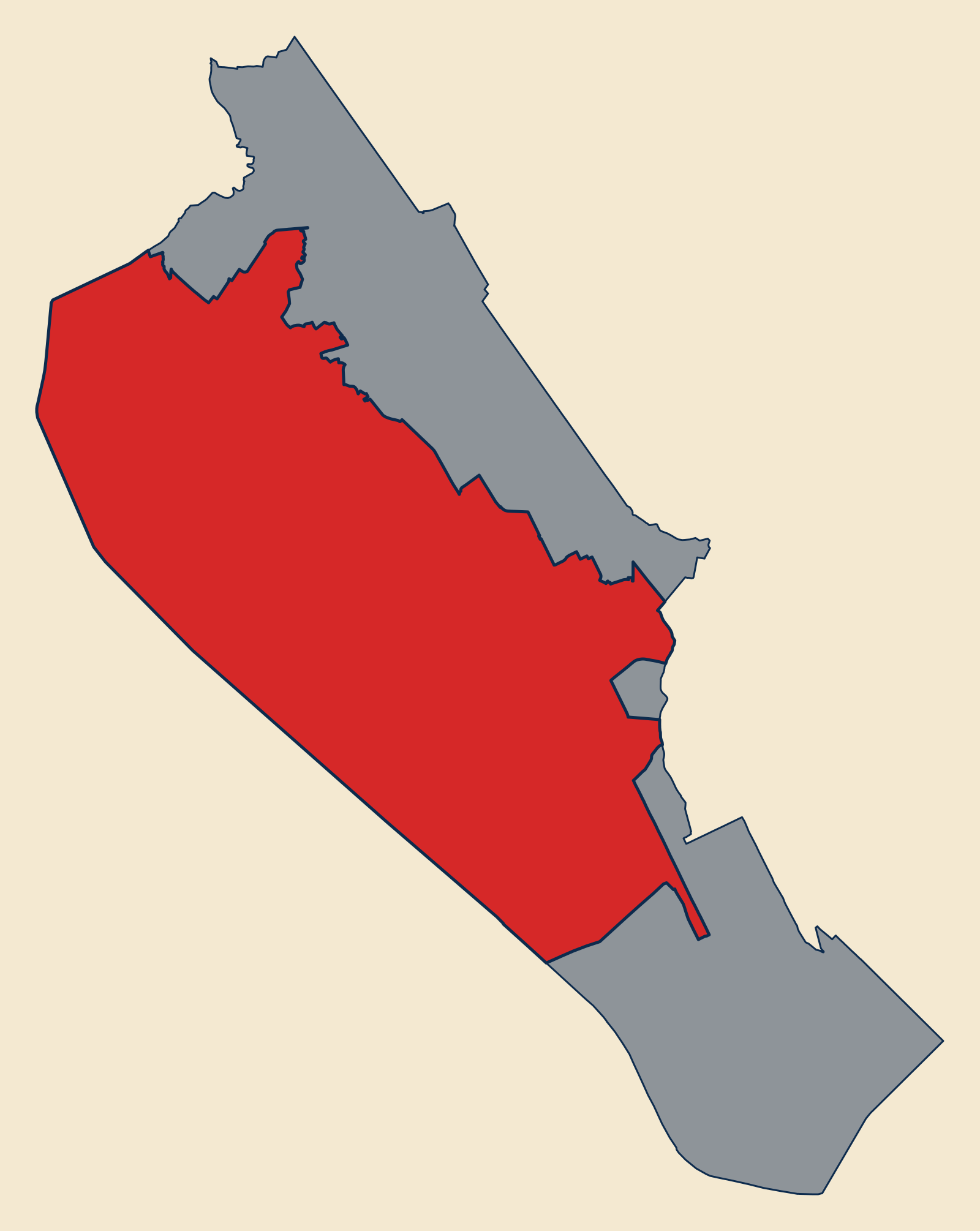
Find the outlined district inside the city of Newport News — this one patch of the map, with its 23,891 votes, decided which party led the whole House of Delegates.Map: redrawn as SVG from U.S. Census Bureau TIGER/Line 2018 state legislative district and place boundaries (Virginia's 2011 House plan)