
Lesson 11 — 2017: The Name in the Bowl
One Ballot, One Tie, One Draw
It is January 4, 2018, in a crowded meeting room on Capitol Square in Richmond, Virginia. On a table sits a blue-and-white stoneware bowl. Inside it are two small film canisters, and inside each canister is a slip of paper with one name: David Yancey or Shelly Simonds. The chairman of the State Board of Elections reaches in and draws one out. Out of 23,891 votes counted in their race, the two candidates had finished with the same number: 11,608 each. How can an election end in a perfect tie? And when it does, is drawing a name from a bowl a just way to decide? The canister in his hand would decide more than one seat. It would decide whether one party led Virginia's House of Delegates 51 to 49, or whether the two parties split it 50 to 50. At MockElection.com we want to make you a scholar of the republic. Let's see how a free people chose.
District 94
As you recall from the election of 2016, the presidency turned on 77,744 votes in three states. This lesson turns on far fewer, in a race for one seat in a state legislature. Virginia's legislature has a lower house called the House of Delegates, with 100 members. Each member is called a delegate, and all 100 seats were on the ballot on November 7, 2017. District 94 covered part of the city of Newport News.
Three candidates ran. David Yancey, a Republican, was the incumbent, the person already holding the seat. Shelly Simonds, a Democrat and a member of the Newport News School Board, was the . Michael Bartley ran for the Libertarian Party. Yancey ran on lighter rules for small businesses and support for the city's shipyard. Simonds ran on higher teacher pay, more money for schools, and expanding Medicaid, the government's health coverage for people with low incomes.
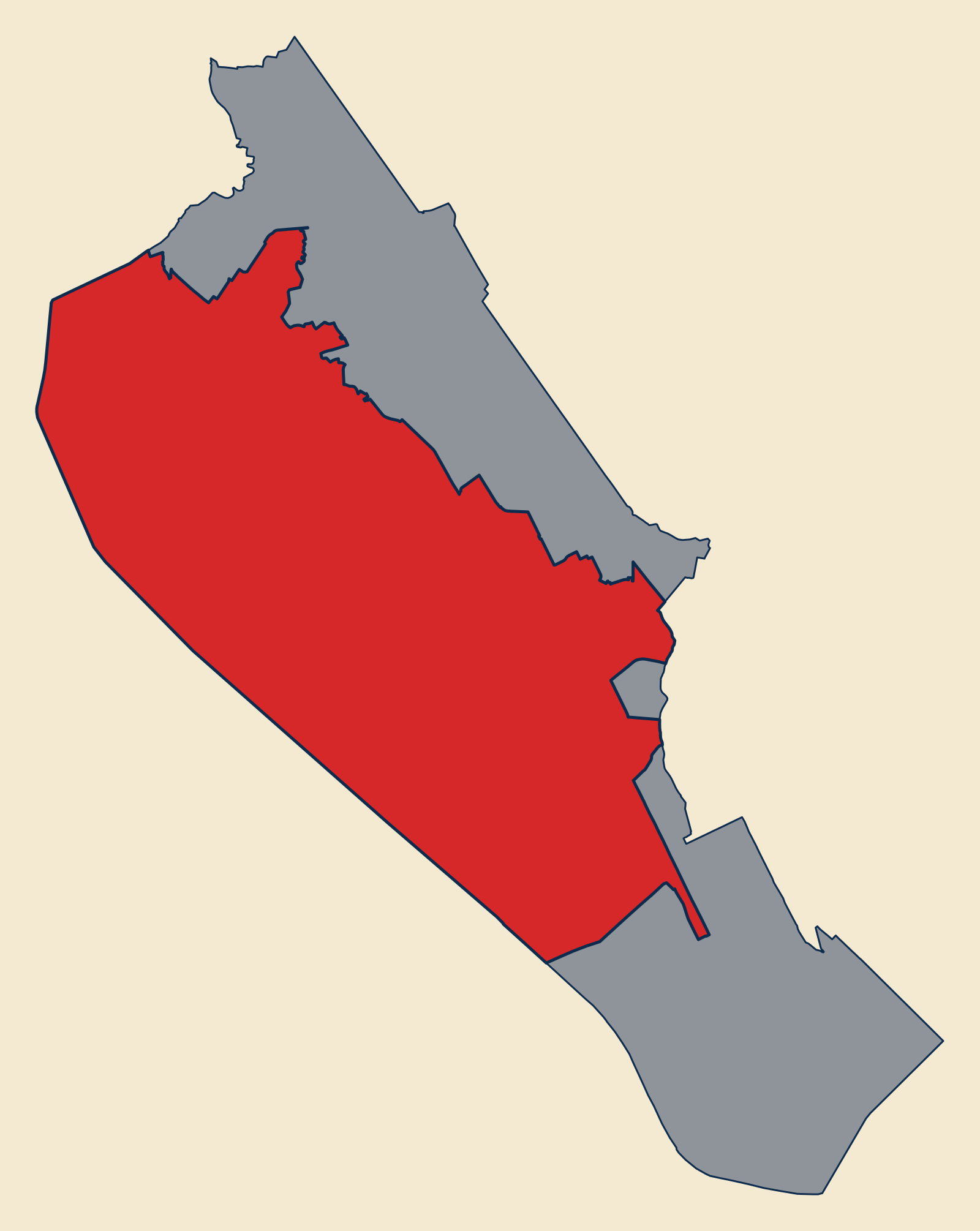
You just read that District 94 was one seat out of 100. Which race would you rather cast your one vote in?
Ten, Then One, Then None
On election night, November 7, 2017, Yancey led by 12 votes. When the last ballots set aside that day were counted, his lead fell to 10. On November 20, the State Board of Elections certified the result, officially confirming Yancey as the winner by 10 votes. Simonds asked for a recount: a second, careful count of the same ballots. Virginia law allowed a recount when the two candidates were less than one percentage point apart.
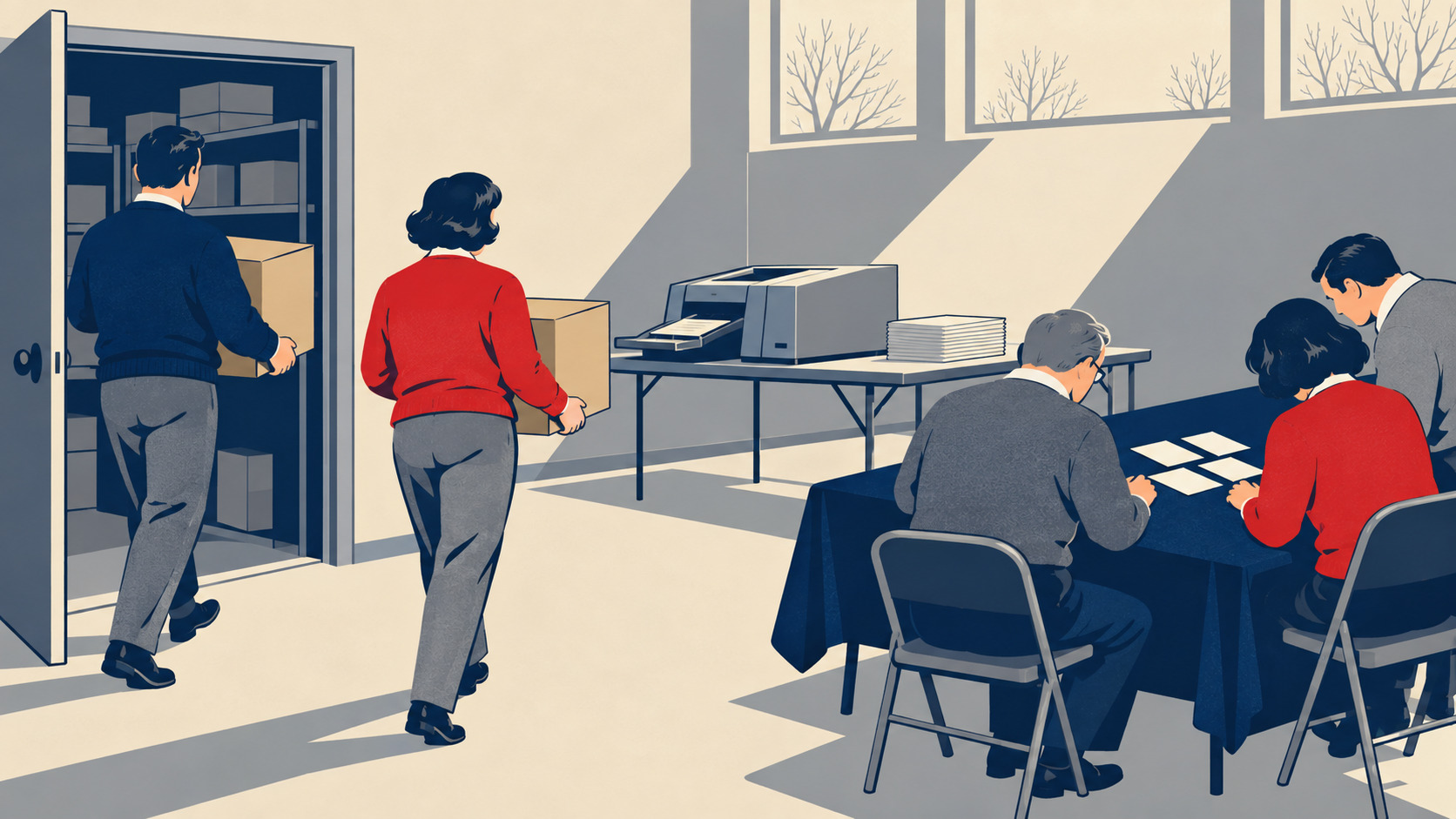
On December 19, 2017, workers carried boxes of ballots out of a storage room at City Center in Newport News, and high-speed machines ran the paper ballots through again. Ballots the machines could not read went to recount officials to study by hand; some carried an X, two filled bubbles, or a scribble. At the end of the day the count stood at Simonds 11,608, Yancey 11,607. Simonds now by a single vote.
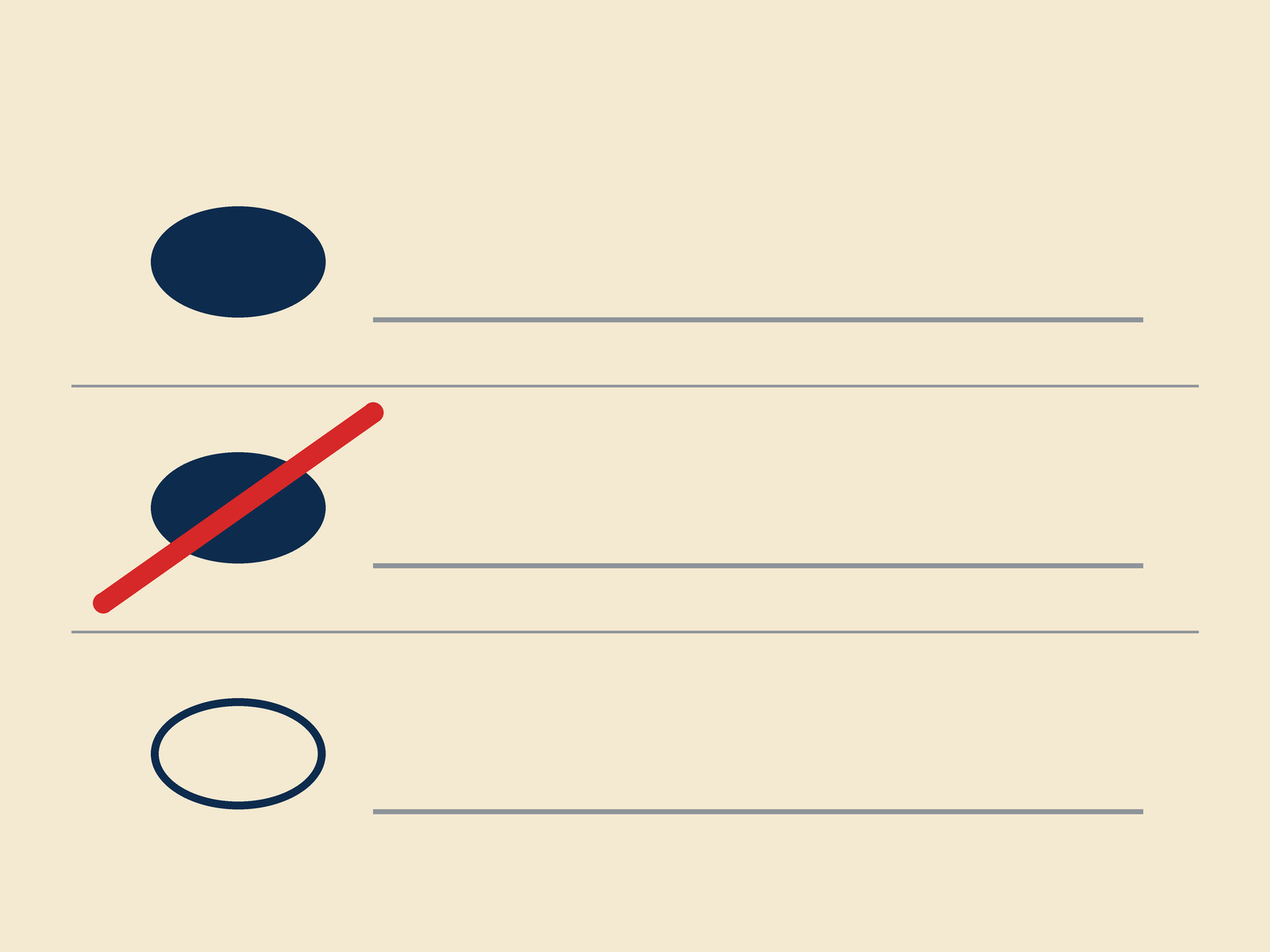
But one ballot was still in question. Two recount officials had disagreed over it, and it was left uncounted. On December 20, Yancey's lawyers brought the court a written statement from a Republican recount official. He now believed the voter had meant to vote for Yancey.
Drawn by Lot
What happens when an election ends in a perfect tie? Virginia's law held an answer, written before anyone knew who would tie. A tie for the General Assembly is decided by lot: chosen by chance, such as by drawing a name.
The board first set the drawing for December 27, then put it off when Simonds asked the judges to reconsider the disputed ballot. Simonds wrote to Yancey proposing that both accept the drawing and seek no further recount or lawsuit. Yancey declined, saying he would follow the process the state's law laid out.
On January 4, 2018, about 100 people crowded the board's meeting in Richmond. A winter storm kept Yancey away; Simonds sat with her husband and her daughter. The two printed names were shown to the room, and each slip was rolled into a new film canister. The canisters went into a blue-and-white stoneware bowl made by the Virginia artist Steven Glass, lent by the Virginia Museum of Fine Arts. Board Chairman James Alcorn stirred them and drew one. "The winner of House District 94 is David Yancey," he said. Then Vice Chair Clara Belle Wheeler opened the canister to show that Simonds's name had been in the bowl too. The board certified Yancey as the winner, 58 days after the vote.

The Honesty of the Count
The virtue in this lesson is honesty. Honesty means telling the truth and dealing truthfully, even when the truth costs you something.
In District 94, honesty was the whole job. One recount official put his doubt about a ballot in writing and sent it to a court. Three judges heard both sides and ruled in open court that the ballot was a vote for Yancey, erasing a one-vote lead. The board showed both names to the room, drew one, and opened the other canister to prove both had been there. Notice that every one of these acts was done . A count can be trusted only when the counters say what each ballot shows, whichever side it helps.
Aristotle figured this out a long time ago. He gave a plain rule for truth: to say of what is that it is, and of what is not that it is not. A vote for Yancey is a vote for Yancey. A vote for Simonds is a vote for Simonds.
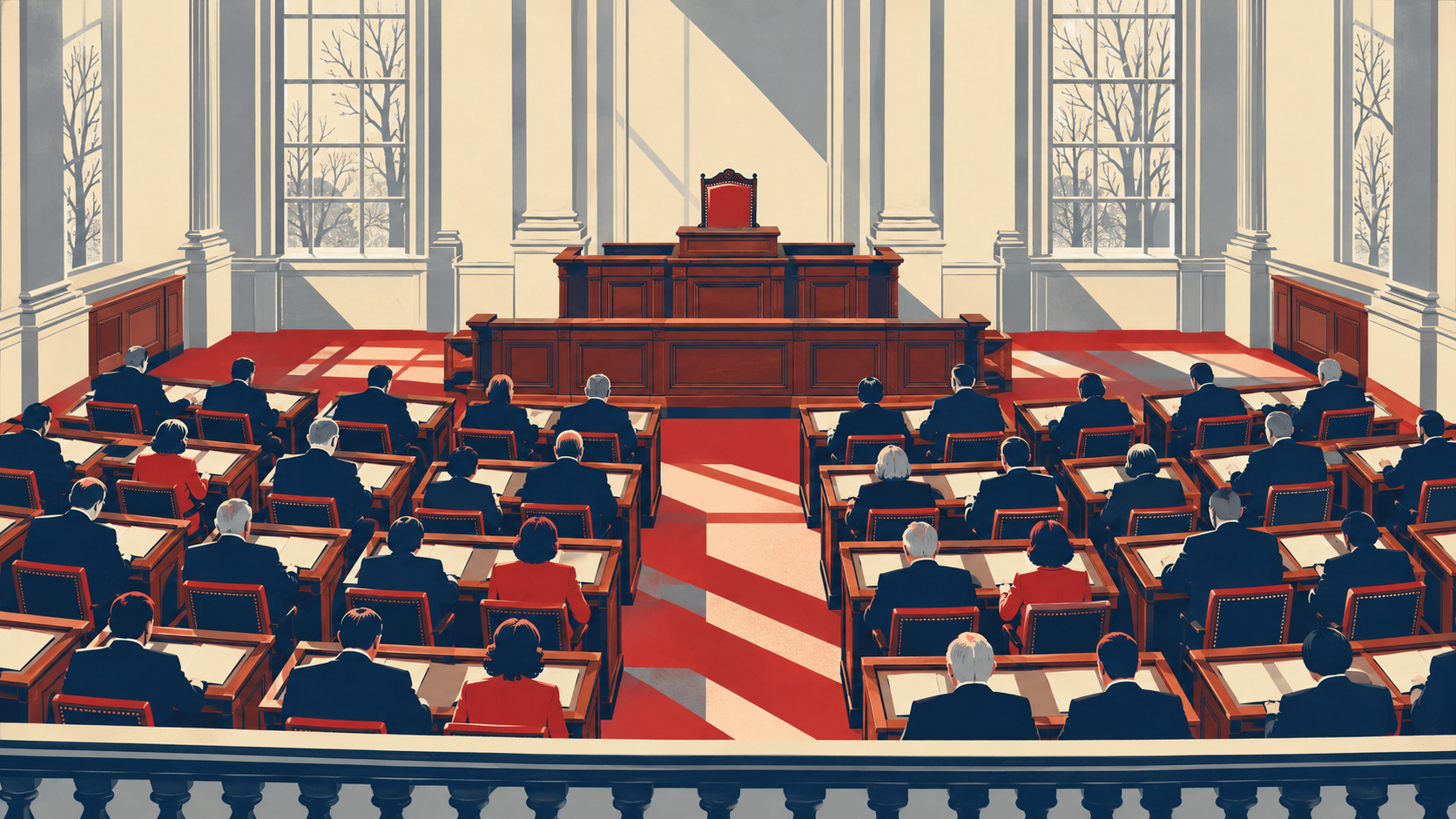
On January 10, 2018, the day the General Assembly opened, Simonds made her concession, her public acceptance that she had lost. She chose not to ask for a second recount. That afternoon Yancey took his seat, and the House elected Republican Kirk Cox as Speaker, 98 to 0.
Conclusion
Go back to that stoneware bowl on January 4, 2018. Two canisters, one draw, and the seat went to Yancey.
How the map changed. District 94 went from a certified 10-vote lead for Yancey to a 1-vote lead for Simonds (11,608 to 11,607). Then it became an exact tie, 11,608 to 11,608, with Bartley at 675. Under Virginia Code § 24.2-674, the tie was decided by lot, and Yancey was certified 58 days after the vote. Republicans held the House of Delegates 51 to 49; a Simonds draw would have made it 50 to 50. On January 10, 2018, Simonds conceded and the House elected its Speaker, 98 to 0.
How the republic's character moved. In this election every ballot mattered, including one with a slash through a bubble. The law already held a rule for a tie, so a perfect tie did not become a crisis. It became a public drawing, and the losing candidate chose to accept it. It was one election in the whole true history of the American vote, and it may be the plainest proof of all that one vote can decide.
To live well is to be honest — to count what is true, even when the truth helps the other side.
Because elections are won and lost.
Parties rise and fall.
But the republic rests on its citizens.
Lesson Summary
Key Terms
- Recount
- a second, careful count of the same ballots.
- Overvote
- a ballot marked for more than one candidate in the same race.
- Voter intent
- what a voter meant by the marks on a ballot.
- Certified
- officially confirmed as the result or the winner.
- Decided by lot
- chosen by chance, such as by drawing a name.
- Concession
- a candidate's public acceptance that he or she has lost.
- Incumbent
- the person already holding an office.
- House of Delegates
- the lower house of Virginia's state legislature, with 100 members.
- Speaker
- the leader of a legislative chamber, chosen by its members.
- Sortition
- the Athenian practice of choosing officials by lot.
Cause-and-Effect Chart
| Key Fact | The Cause | The Effect |
|---|---|---|
| Simonds led by 1 after the recount | The recount left one doubly marked ballot uncounted | A single disputed ballot became decisive |
| The race became an exact tie | Three judges counted the disputed ballot for Yancey | Each candidate had 11,608 votes |
| The tie was decided by drawing a name | Virginia Code § 24.2-674 says a tie for the General Assembly is decided by lot | Yancey's name was drawn on January 4, 2018 |
| Republicans held the House 51 to 49 | Yancey won the draw and Simonds conceded | A 50–50 shared chamber was avoided |
Timeline
| Person / Event | Date (AD) | Description |
|---|---|---|
| Election day | November 7, 2017 | All 100 House seats on the ballot; Yancey leads District 94 by 12 that night. |
| Certification | November 20, 2017 | The State Board of Elections certifies Yancey the winner by 10 votes. |
| Recount | December 19, 2017 | Simonds leads 11,608 to 11,607. |
| Three-judge panel | December 20, 2017 | The disputed ballot is counted for Yancey; the race is tied at 11,608. |
| Simonds's motion denied | January 3, 2018 | The judges turn down her request to undo the tie. |
| Drawing by lot | January 4, 2018 | Yancey's name is drawn from a stoneware bowl; he is certified the winner. |
| Concession and seating | January 10, 2018 | Simonds concedes; Yancey takes his seat; Kirk Cox is elected Speaker, 98 to 0. |
COMMAND QUESTIONS
Factual Recall
The "Why" Questions
Write a short paragraph answering each question in your own words, in your notebook. Then check its box: +4 each.
Explain in two or three sentences how the race went from a 10-vote lead for Yancey, to a 1-vote lead for Simonds, to a tie.
Why might a rule for breaking ties, written before any election, be more just than a rule invented after a tie happens?
Cast Your Ballot
one vote for one candidate; the most votes wins the seat; a tie is decided by lot
Loading…
The ballot: 2017 — Virginia House of Delegates, District 94
David Yancey — Republican (incumbent) — lighter rules for small businesses and steady support for the Newport News shipyard and its workers.
Shelly Simonds — Democratic — higher pay for teachers, more money for schools and their buildings, and expanding Medicaid.
Michael Bartley — Libertarian — districts drawn compact, without regard to how their people vote.
What a voter knew on November 7, 2017:
- Yancey had held the seat since January 2012 and was seeking a fourth term.
- Yancey had beaten Simonds in 2015, 8,140 to 6,002.
- Republicans held 66 of the 100 seats in the House of Delegates, and all 100 were on the ballot.
- Virginia law decided a tie for the General Assembly by lot.
What the voters decided: an exact tie, 11,608 to 11,608, with Bartley at 675; Yancey's name was drawn on January 4, 2018.
Cast your own ballot on MockElection.com — vote as a citizen of District 94 in 2017, with only what a citizen of 2017 knew. Then compare your count to history.
Picture yourself on Virginia's State Board of Elections in December 2017, with a race tied at 11,608 votes each. How would you have the tie settled?
Two games wait below
Whistle-Stop
The lesson’s words, against the clock. Twelve in a row earns the Blue Ribbon.
The Canvass
Match each cause to its effect, then each event to its year. Both boards with one miss or fewer earns the Clean Count.
0 of 100 points
Kept in this browser for this visit. Sign in to keep it on any device.